

When Is the Best Time to Visit Puglia?
- A Local’s Guide to Every Season in Salento

For those who don’t know the story, we’re Richard and Marco — the two faces (and four hands) behind Palazzo Piccinno, a small guesthouse in the south of Puglia, in Salento.
I’m Brazilian, shaped by years in Lisbon, Budapest, and London. Marco is Salentino to the core. We met in London a decade ago and, since then, Puglia has always been our meeting point with life: family lunches that last forever, swims that start at sunrise, summers that smell of ripe tomatoes and sea salt.
My very first memory of this place? Eating a still-warm, home-made sandwich on the sand at Torre Lapillo, surrounded by friends who seemed to understand something about life that I hadn’t learned yet. I remember feeling almost jealous of the simplicity — how everything here bends toward quality of life rather than work. Three years of living in Salento later, I finally understand why.
Ever since we opened the Palazzo, people keep asking us the same question: “When is the best time to visit Puglia?” We always smile, because the truth is: there isn’t just one. Puglia weather changes gently throughout the year, and Salento’s seasons each have their own mood. This land shifts the way light slips through linen — subtle, beautiful, impossible to choose a favourite. And it changes from north to south, too. Northern Puglia is lively, polished, more accustomed to attention. Salento, on the other hand, is a little rough around the edges — but in the way real places are. Authentic, generous, still quietly hidden from the spotlight.
If you’re planning Puglia travel for 2026 (or any year, really), think less about “good or bad months” and more about what kind of trip you want. Here in the far south, each season has its own heartbeat: Spring feels like a beginning. Summer hums with energy. Autumn glows. And winter whispers secrets only locals hear.


Spring — The Season of Beginnings
If there is a moment when Salento feels closest to its true self, it’s spring. The south wakes slowly, stretching after winter’s quiet, and everything feels soft, clear, and generous again. The light changes — suddenly tender, almost diffused — and the days grow longer in a way that makes you want to stay outside from morning to dusk.
When people ask “When should I visit Puglia for pleasant weather?”, spring is always one of our first answers. Puglia weather in spring is beautifully balanced: mild temperatures between 16°C and 25°C, long strings of sunny days, the occasional short rain that comes and goes like a passing thought, and a sea that begins to shift from deep blue to its turquoise promise. Salento in spring is bright but never overwhelming, warm but never heavy — the kind of weather that lets you breathe deeply.

It’s also the season we treasure most, because it gives us back our rituals: trekking along the coastal paths, wandering through fields of wildflowers, collecting long afternoons on empty beaches with a book and a small picnic. It’s the time for slow discoveries — villages without crowds, wineries with open doors, sunsets that feel like a private show.
And here in Parabita, spring has its own heartbeat: Madonna della Coltura, the town’s most beloved celebration. The streets fill with light, devotion, and small miracles of community — music, processions, conversations that spill into the night. It’s a moment that reveals the real soul of this place.
And whatever you feel like doing — hiking, tasting wine, exploring villages, or simply finding the quietest beach for an afternoon nap — we’re always here to help plan it, book it, or point you toward the most beautiful corner.
Here is what we love doing in Spring:
Hike the Sentiero delle Cipolliane
Spring is the ideal moment to walk one of Salento’s most beautiful coastal trails: the Sentiero delle Cipolliane, a path carved above the cliffs between Marina di Novaglie and Ciolo. The view alone is worth the journey — endless blue, dramatic limestone walls, and hidden coves that look like they were painted into place.
What makes this trail special is its history: it follows the old routes used by fishermen who once moved along the coast from one inlet to another. The name comes from a small wild herb — cipollaccio — which grows along the path, tasting and smelling faintly of onion. Fishermen used to pick it and add it to their simple seaside meals. The trail ends (or begins) near Il Ciolo, one of the most iconic natural beaches in the area, perfect for a refreshing dip after the walk.

Read by the Sea
Spring gives you empty beaches and wide-open quiet — the perfect invitation to read for hours. And if you don’t bring a book, don’t worry: we have plenty at the Palazzo that we’re happy to lend you. Our favourite reading spots are Punta della Suina, where the sea is calm and the sand warm enough to nap on, and Santa Caterina, ideal if you want to pair your reading with a slow aperitivo (either after your last chapter, or with your feet still in the sand).

Visit Wineries
Spring is when wineries feel their most welcoming — calm, unhurried, and open to longer conversations. Not all of them operate on fixed schedules at this time of year, but we’re always happy to contact them on your behalf to check availability and organise a tasting. Spring tastings often feel more intimate, more personal, and more rooted in the land itself.
To begin, we always recommend Salentusole, right here in Parabita. It’s an easy and friendly introduction to the wines of this territory — a warm way to understand the basics before diving deeper.
From there, you can explore a few beautiful experiences:
-
Cantina Paolo Leo - a family business very close to our hearts — literally. It’s part of Marco’s family, and all the wines we serve at Palazzo Piccinno come from them. Their tastings are complete, thoughtful, and showcase the richness of Salento’s terroir, from Primitivo to Negroamaro and everything in between.
-
Vetrère - a historic estate surrounded by countryside, known for generous tastings often paired with beautiful local food. Their experiences are slow, warm, and deeply rooted in tradition, making them perfect for a spring afternoon.
-
Dispenseria (Parabita). If you prefer something more local and low-key, visit Dispenseria, a wine and olive oil shop run by our dear friend Matteo. He curates a small but truly authentic selection of Salento wines and produces a wonderful quality olive oil you can taste on the spot. It’s a great stop for anyone wanting a more everyday, real-life perspective on local flavours.
-
Masseria L’Astore (Cutrofiano). For those who want to explore vineyards and learn about winemaking on-site, L’Astore offers a rustic, local experience just a short drive from the Palazzo. Their estate and vineyards are beautiful in spring, making the visit as much about nature as it is about wine.

Explore Villages
Spring is the best season to wander through Salento’s small towns — warm but not hot, lively but not yet busy.
Places like Specchia, Nardò, Ruffano, and Galatina are perfect for slow exploration: quiet piazzas, artisanal shops, morning markets, churches filled with unexpected beauty, and bar tables where you can sit with a coffee and simply watch life pass. These villages reveal the authentic rhythm of the south — unpolished, intimate, unhurried.

Join the Madonna della Coltura Festival
Every May, Parabita celebrates Madonna della Coltura — a festival that blends devotion, local traditions, music, lights, and a sense of community you don’t often find. It’s one of the most beautiful ways to understand what this town is made of, and a moment we’re always proud to share with guests.


Summer — The Season of Light
If you’re wondering when to visit Puglia for classic beach holidays, summer is what most people picture. Summer in Salento is pure theatre. The light sharpens, the days stretch endlessly, and everything — from the sea to the sky to the tomatoes on the table — seems to vibrate with energy. It’s the season everyone thinks they know, yet somehow it always surprises you when you’re actually here.
Puglia weather in summer brings temperatures between 28°C and 35°C, with long weeks of uninterrupted sunshine and only the rare, short summer storm that cools the air and leaves the sky unbelievably clear. This is the time when the coastline is at its most breathtaking — the water transparent, the cliffs luminous, the beaches alive.
Summer is also when Salento becomes a living room. People gather everywhere: on the spiagge at sunrise, in piazzas at midnight, in tiny bars for late-night drinks. Festivals appear in every town. Music travels through the streets. The smell of grilled fish, ripe figs, and freshly fried pittule fills the air.
And if spring is about beginnings, summer is about abundance — generous, joyful, unapologetically warm.
Whatever you feel like doing — swimming in hidden coves, sailing into the afternoon light, discovering tiny villages at siesta hour, or simply eating your way through the south — we’re always here to help plan it, book it, or guide you to the places locals love most.
What to Do in Summer
Swim in Hidden Coves
Summer is the moment when Salento’s sea becomes irresistible — clear, bright, and warm from morning until late afternoon. Hidden coves like Cala dell’Acquaviva, Il Ciolo, Porto Selvaggio, and Punta della Suina offer water so transparent it almost feels unreal. Some are perfect for cliff swims, others for quiet floating or stretching out on a sun-warmed rock while the cicadas hum around you.

Boat Days
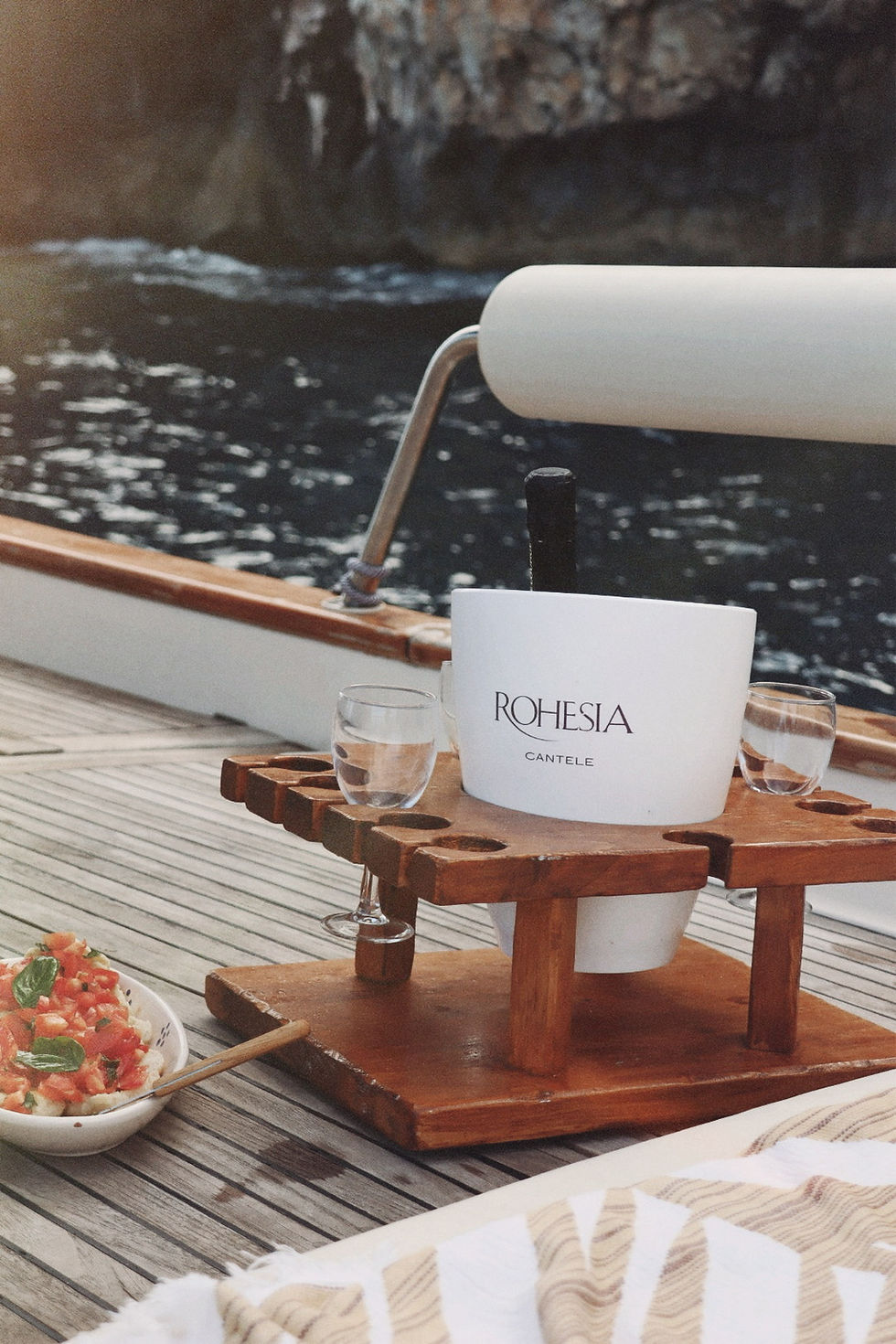
There’s no better way to understand the coastline than from the water. We can organise private or small-group boat tours that take you along the dramatic Adriatic cliffs, through sea caves, or across the soft, sandy bays of the Ionian. From the Grotta della Poesia to the hidden coves of Santa Maria di Leuca, summertime boat days feel like a small adventure of their own.

Puglian Summer Nights
Evenings are long, warm, and full of life. Summer in Salento is festival season: sagre where you can try every local dish, pizzica nights in village squares, open-air cinema, concerts under the stars — all wrapped in that unmistakable southern energy. Everything seems to last a little longer, and nights often end with gelato or a spontaneous midnight swim.
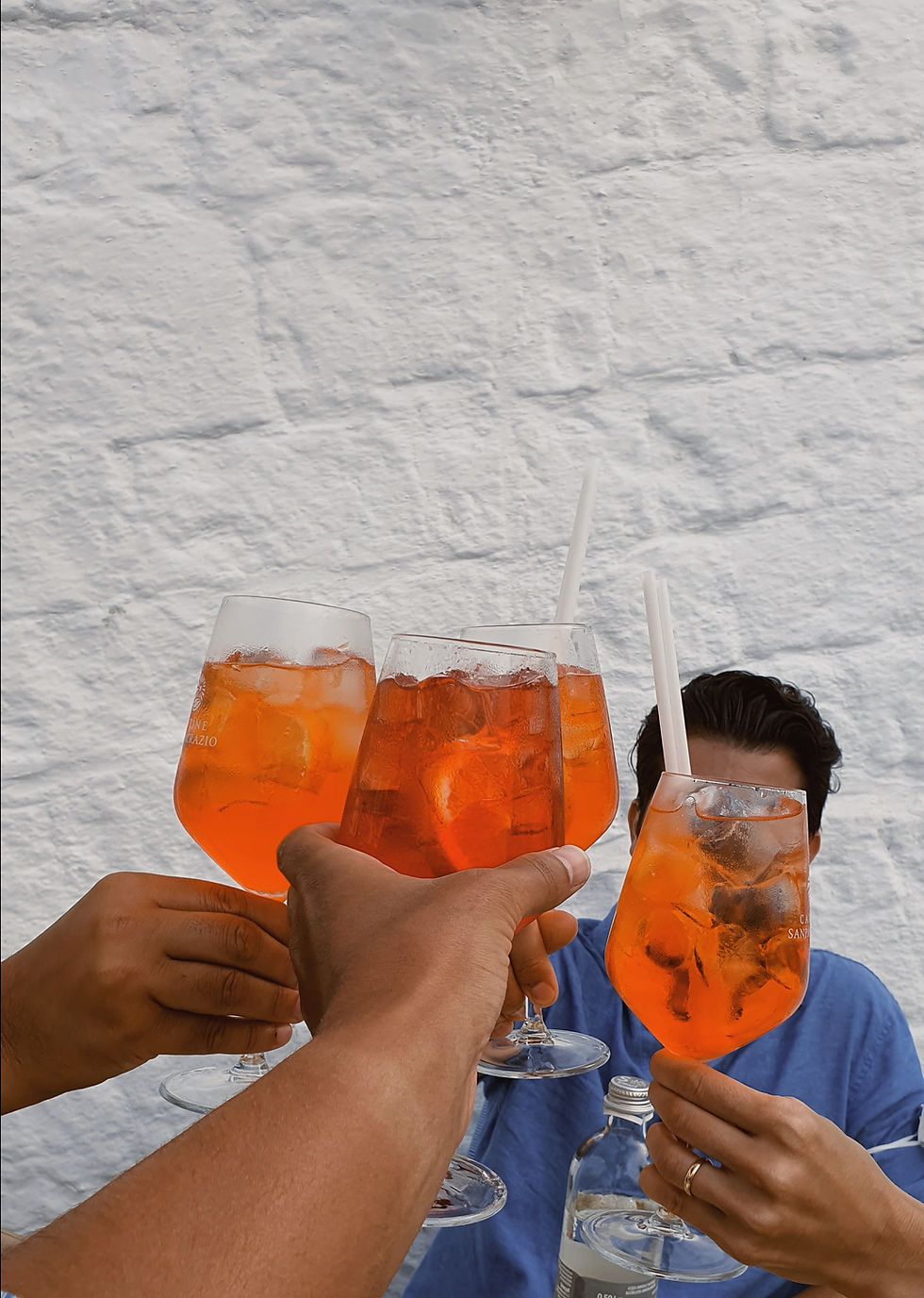
And next summer at the Palazzo, evenings will become even more special. We’ll be hosting Social Hours, where local neighbours join our guests for a glass of wine or a spritz — gentle, warm gatherings designed to connect visitors and community in a natural way. We’ll also bring back our beloved Pizza Nights, long tavolate in the garden where everyone shares pizzas fresh from the oven in the company of friends, neighbours, and whoever happens to wander in. Summer here is social by nature — these nights make it even more so.
Beaches for Every Mood
Whether you want the energy of a beach club or the simplicity of a quiet cove, Salento has a place for every mood.
Our personal favourites:
-
G Beach — elegant, carved into the rocks, with water that feels like glass
-
Togo Bay — spacious, lively, and perfect for long summer days
-
Lido Fico — on the Adriatic side, super relaxed and wonderfully local
-
Punta della Suina — the free beach we love for its colours and calm corners

Long, Slow Meals
Summer is when Salento tastes the most alive: tomatoes bursting with sweetness, figs picked straight from the tree, peaches dripping down your wrist. It’s the moment for grilled fish, raw seafood, capesante, pasticciotti, and of course, the classic iced coffee with almond milk. If you need restaurant recommendations or reservations, we’re always happy to take care of it — summer meals here should never involve stress.


Autumn — The Season That Glows
If someone asks us “What’s the best time to visit Puglia without crowds?”, we often say: autumn.
Autumn in Salento is the South at its most poetic. The sun softens into gold, the heat loosens its grip, and the land exhales after the rush of summer. Everything becomes slower, quieter, more spacious. The sea is still warm — sometimes warmer than in June — the beaches return to their natural silence, and the villages settle into their real rhythm again.
Puglia weather in autumn usually brings temperatures between 20°C and 27°C, with long sunny stretches and the occasional gentle rain that makes the air smell of figs, earth, and sea salt. The light in autumn is extraordinary: warm, low, cinematic. This is the time photographers fall in love with Puglia — and the time locals reclaim the coast.
It’s also harvest season. Olive groves buzz with life. Grapes are picked. Markets fill with the last peaches, the first persimmons, wild herbs, and newly pressed olive oil. Restaurants shift toward heartier dishes, richer flavours, slower meals.
For many who know the south well, autumn is the secret best time to visit Puglia — all the beauty, none of the crowds. And whatever you feel like doing — swimming, tasting new olive oil, exploring villages in perfect weather, or discovering the coast on your own terms — we’re always here to help plan it, book it, or lead you toward the season’s quiet magic.
What to Do in Autumn
Swim in Warm, Empty Seas
Autumn gifts you some of the best swims of the year. The water is warm from the long summer, the beaches are calm, and the days feel endless. Places like Baia Verde, Porto Selvaggio, and Marina di Mancaversa become peaceful, expansive, and full of colour.

Olive Harvest & New Oil Tastings
This is the season when the olive trees come alive with activity. If you’re curious, you can take part in the harvest, watch the milling process, and taste olio nuovo — the bright, peppery, just-pressed olive oil that only exists for a few weeks each year. It’s the purest expression of Puglia.


Explore Villages in Their True Rhythm
With the crowds gone, towns like Gallipoli, Galatina, Specchia, and Nardò feel intimate again. You can wander quietly through old streets, visit churches, talk with artisans, or sit in a piazza with a coffee and feel like you’ve paused time.

Walks in Nature
The countryside becomes incredibly beautiful in autumn — golden fields, soft winds, long shadows. Whether it’s the coastline of Porto Selvaggio or the quiet backroads around Parabita, this is the season for gentle walks, slow mornings, and afternoons that melt into sunset.


Winter — The Season That Whispers
If you’re searching “Is winter a good time to visit Puglia?”, our answer is simple: yes, if you love quiet.
Winter in Salento is a secret — the kind locals don’t talk about too loudly because it’s too precious to share in full. The pace slows, the light softens into silver, and the air becomes crisp in a way that makes you breathe deeper. The beaches empty out completely, the countryside turns quiet, and the towns become more themselves: intimate, honest, unpolished.
If you’ve read our earlier post “Winter in Puglia: A Season for Thinkers”, you already know how much we love this time of year. This section is a continuation of that story — a deeper look into why winter feels like the south’s quiet masterpiece.
Puglia weather in winter sits between 10°C and 16°C, with a mix of clear blue days, soft sunlight, and occasional rain that never lasts long enough to interrupt a plan — only long enough to make the air smell of woodsmoke and orange blossom. Winter here is gentle, never harsh. You can still sit outside at midday, still walk by the sea with only a light jacket, still feel the warmth of the sun on your face.
It’s the season of rituals: pruning olive trees, the first citrus ripening, slow lunches that stretch into evening, quiet conversations in cafés, the return of local life after summer’s chaos. Winter makes space — for thinking, for resting, for writing, for being.
And whatever you want from this slower season — beach walks, long lunches, visits to markets, pottery workshops, wine tastings, or simply silence — we’re always here to help plan it, curate it, or guide you toward the most beautiful corners of a South very few travellers ever see.
What to Do in Winter
Walk the Beaches in Complete Silence
Places like Punta Pizzo, Torre Suda, and Santa Maria al Bagno feel almost otherworldly in winter — calm, meditative, cinematic. The sea turns deep blue and the soundscape narrows to waves, wind, and nothing else.

Visit Markets & Eat What’s in Season
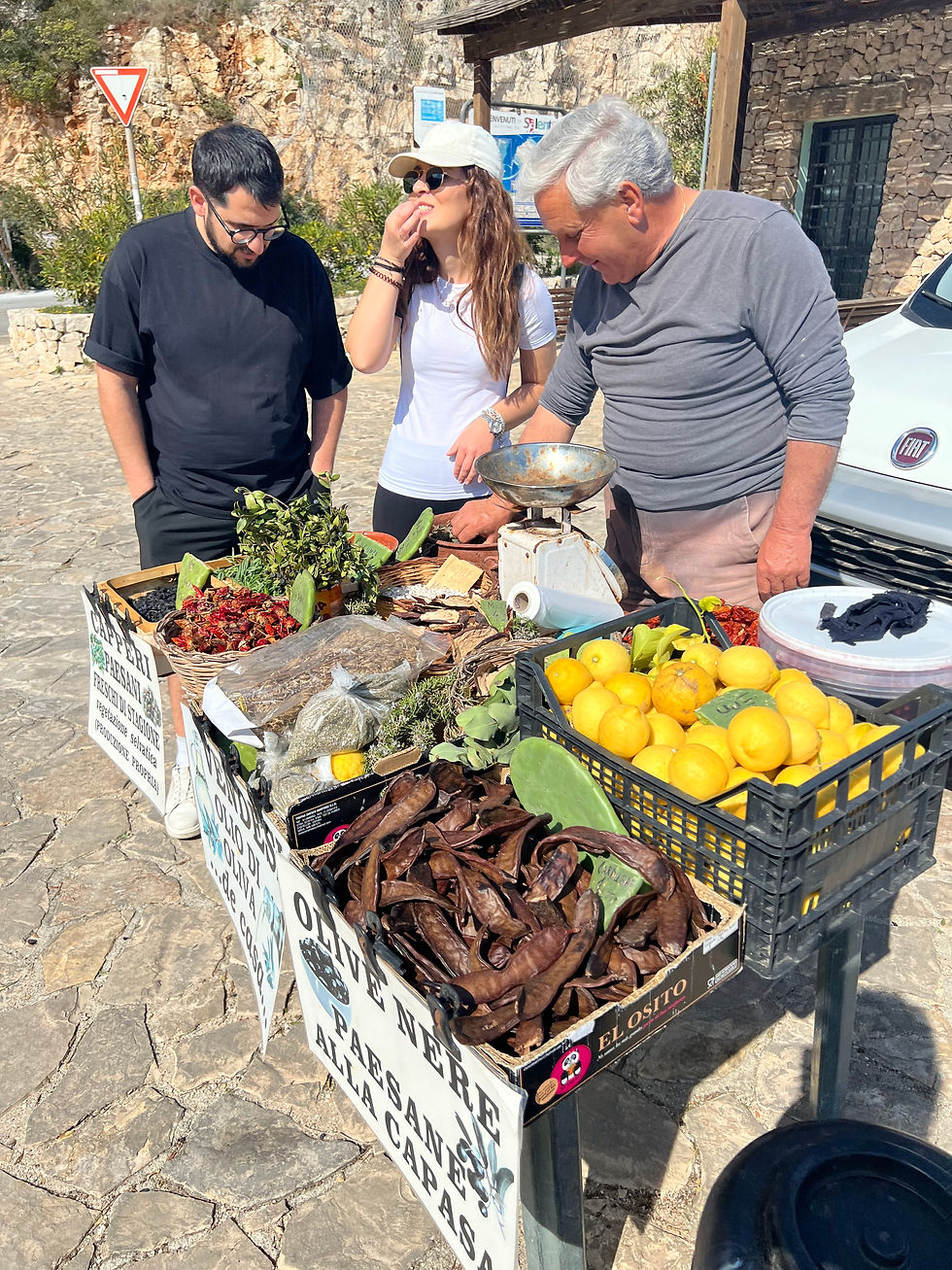
Winter is citrus season: mandarins, oranges, lemons. It’s also the time for hearty dishes — chickpea soups, baked vegetables, wild greens, fresh focaccia still warm from small-town bakeries. Weekly markets in Parabita, Racale, and Nardò are full of local produce, handmade cheeses, and pastries that disappear by noon.
Art, Museums & Hidden Churches
With no crowds, you can explore places like Galatina’s Basilica of Santa Caterina d’Alessandria, the museums of Lecce, or tiny local chapels that are usually overlooked in summer. Winter lets you see the quiet cultural richness of Salento.

Workshops & Creative Days
This is the best season for doing rather than sightseeing: pottery classes, cooking workshops, studio visits, and other creative experiences that feel especially meaningful in colder months. The slower pace makes room for attention and connection.

So… When Is the Best Time to Visit Puglia?
If you’ve made it this far, you probably already know the answer:
-
Come in spring if you want mild Puglia weather, wildflowers, empty beaches, and gentle beginnings.
-
Come in summer if you dream of long beach days, festivals, and late nights by the sea.
-
Come in autumn if you love warm water, harvest season, and quiet villages.
-
Come in winter if you’re looking for silence, reflection, and the most authentic version of Salento.
There is no single “best time to visit Puglia” — there is only the best time for you.
And whenever you decide to come — whether you’re planning Puglia travel in 2026 or just daydreaming for now — we’ll be here in Parabita, at Palazzo Piccinno, ready to help you find your season.
Vita a Palazzo