Easter in Salento 2026: Holy Week Ceremonies to Experience in Puglia
A local guide to the rituals, processions, and quiet intensity of Easter in southern Puglia

I feel deeply inspired to share Easter in Salento with you.
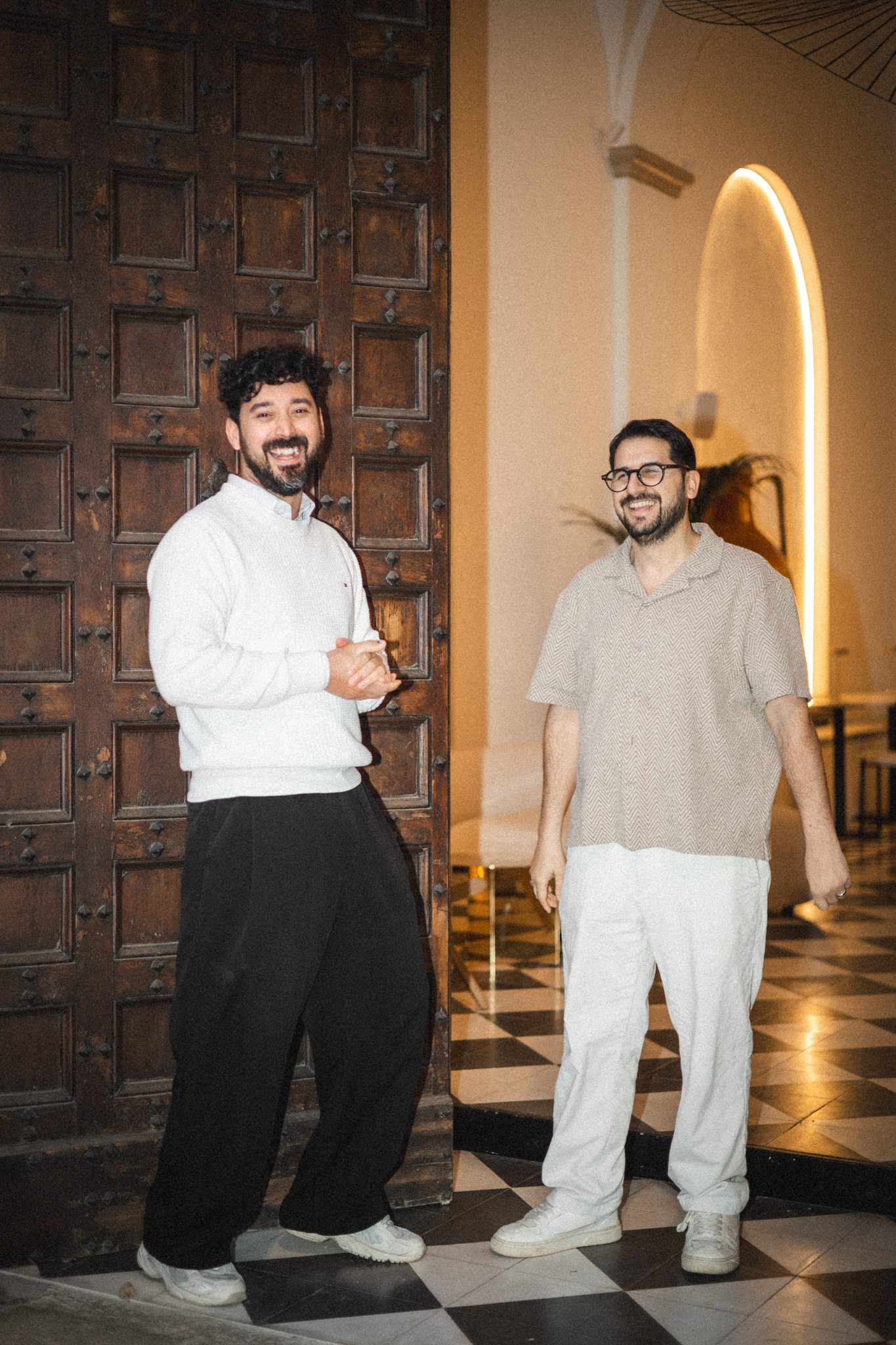
I’m Richard. Together with Marco — my partner in life and in Palazzo Piccinno — I chose this quiet corner of Puglia five years ago. And Easter here changed me.
I grew up in Brazil, in big cities where Easter often meant supermarket aisles full of chocolate eggs, long family lunches, and something festive, warm, and familiar — but also a little commercial. Beautiful in its own way, yes. But predictable.
Then we moved to Salento.
And I discovered that Easter could feel entirely different.
Here, Holy Week does not announce itself loudly. It gathers slowly. It moves through narrow streets in silence. It breathes through candlelight, brass bands, late-night processions, and gestures that belong first to the community, not to visitors.
At Palazzo Piccinno, this matters deeply to us. We have always believed that Puglia is best understood not only through landscape and food, but through ritual, rhythm, and the traditions that still shape daily life. Easter in Salento is one of the clearest expressions of that.
If you are searching for Easter traditions in Puglia, Holy Week processions in Salento, or the best places to experience Settimana Santa in southern Italy, this guide is our personal starting point.
Easter Sunday in 2026 falls on 5 April, with Holy Thursday on 2 April, Good Friday on 3 April, and Easter Monday on 6 April.
This is not just a guide to what happens.
It is our way of sharing why April is one of the most meaningful times to stay in this part of Puglia — and why Parabita, especially, offers something unusually intimate.

Why Easter in Salento feels different
Before I tell you where to go, let me tell you why this part of Puglia stays with people.
Every year, many travellers come to Italy for Easter and naturally look first to the big cities. They find famous churches, well-known ceremonies, and beautiful settings. But often what they are really looking for is something quieter, less mediated, and more rooted in daily life.
That is what Salento offers.
Holy Week here is not arranged around an audience. It is not polished into a performance. There are no grand explanatory structures between you and what is happening. In many towns, the rituals still belong first to the people who carry them: confraternities, families, neighbours, parish communities, and generations who have repeated the same gestures for decades.
That is what makes it so powerful - a true Easter in Salento 2026.
In Salento, Easter is often less about spectacle than about atmosphere: slow movement, silence, torchlight, brass, flowers, black veils, candle smoke, and the feeling that the whole town is participating — even when nobody says very much.
For travellers who care about culture, intimacy, ritual, and a slower way of experiencing Italy, Easter in Salento can feel far more moving than a bigger destination.

Holy Thursday and Good Friday in Gallipoli
Gallipoli during Holy Week feels suspended between sea, stone, and shadow.
Its historic centre — the old town on the island — is one of the most atmospheric places in Salento to experience the Easter period. The streets narrow, the light softens, and every sound seems to travel differently between the old walls and the water.
Holy Week traditions in Gallipoli are especially well known locally, and Good Friday remains one of the most emotionally charged moments of the season. Local sources continue to describe the city’s processions as central to Gallipoli’s Holy Week identity.
What makes Gallipoli special is not only the procession itself, but the setting. You stand in the old town among stone façades, sea air, and devotional silence. The result feels less like an event and more like entering an older emotional tempo.
If you go, arrive early, dress simply, keep voices low, and resist the temptation to move around too much trying to see everything. Gallipoli rewards stillness.

Good Friday in Lecce
Lecce offers a different register.
During Holy Week, the city’s baroque architecture and warm stone take on another kind of presence, especially after sunset. Processions here tend to feel more urban and more scenographic than in smaller towns, but still deeply devotional.
What Lecce offers is a compelling combination of architectural drama and religious atmosphere: torchlight on golden façades, confraternities passing through the old centre, and music that seems to deepen the city rather than interrupt it.
If Gallipoli feels maritime and shadowed, Lecce feels sculptural.
For travellers staying in Parabita, Lecce is a worthwhile choice if you want to experience Holy Week in a larger city while still remaining in Salento.


Easter Sunday in Scorrano and the Caremma tradition
By Easter Sunday, something in Salento has already been carried, endured, and slowly released.
In Scorrano, that release can take a more symbolic form through the tradition of the Caremma — a local figure associated with Lent and its austerity. Local cultural references describe the Caremma as a symbolic embodiment of the Lenten period, often linked to restraint, waiting, and the eventual transition into Easter joy.
What makes this tradition powerful is that it expresses something very southern and very communal: after days of restraint, the emotional atmosphere shifts decisively. The heaviness breaks. Relief becomes visible.
This is one of those rituals best approached gently. Exact timings can vary locally, so it is always worth confirming close to Easter Sunday itself. But the underlying meaning remains the same: after mourning, release.

Holy Week in Parabita: the most intimate experience
And then there is Parabita.
For us, this is the most meaningful part of the story, because here Holy Week does not feel like something you travel to watch. It feels like something that passes through your life.
Parabita’s Good Friday procession is active in 2026 on 3 April, with local notices indicating an evening procession route through town.
What matters most, though, is not only the schedule. It is the proximity.
Palazzo Piccinno sits on Via Coltura, directly inside the town’s daily rhythm and within walking distance of the historic centre. During Holy Week, that means guests are not commuting into atmosphere. They are already inside it.
On Holy Thursday, the churches prepare the Sepolcri, and the town moves quietly from one church to another. On Good Friday, the mood deepens. The procession unfolds slowly through Parabita, often late in the evening, with long pauses, measured footsteps, confraternities, statues, music at a distance, and streets that seem to narrow around the rite.
If you are staying with us, you do not need to decode a complicated logistics plan to access this feeling.
You step outside.
That is what makes Easter in Parabita so special. Not scale, but intimacy. Not crowd size, but closeness. The man carrying the statue may be someone you saw that morning in town. The people standing in silence may be the same people who greeted you the day before. The sacred is not separated from ordinary life. It moves through it.
And that, to us, is one of the most beautiful reasons to stay at Palazzo Piccinno in April.

What the weather is like in Salento at Easter
One of the quiet gifts of Easter in Salento is the season itself.
Early April in southern Puglia is often mild, with spring temperatures that can make long walks and evening ceremonies far more comfortable than the same experience would be in high summer. In past regional guidance and seasonal travel references, April in southern Puglia commonly sits in a spring range that is pleasant during the day and cooler after sunset; exact conditions can vary year to year, so checking the closer forecast before travel is always wise.
What matters practically is this: evenings can feel fresh, especially if you are standing still for a long procession. Bring a light jacket, comfortable shoes, and the patience to stay outside later than you might expect.
Holy Week here is not experienced from comfortable seats. You stand. You wait. You walk. You listen. That is part of why spring works so well.

Why April is one of the best times to visit Salento
If your idea of Puglia is only summer, Easter can be a revelation.
April offers a version of Salento that still feels spacious, local, and emotionally textured. The weather is milder than in summer, the roads are quieter, and towns still belong more visibly to their own rhythm. You can move slowly, eat well, walk at night, and experience a cultural season that is not built for tourism but simply lived.
By late spring and summer, Salento shifts. It becomes brighter, busier, louder, and more externally animated.
It is one of the smartest times to visit if what you want is not only beauty, but meaning.
For guests staying at Palazzo Piccinno, this makes Easter especially compelling: you get spring light, a calmer pace, and direct access to one of the most emotionally resonant moments in the local calendar.


Staying at Palazzo Piccinno during Holy Week
At Palazzo Piccinno, we often say that some moments in Puglia are better understood from inside rather than from a distance.
Holy Week is one of them.
Staying with us in Parabita during Easter means waking up in a town that is already living the ritual around you. It means stepping outside into processions rather than driving in from elsewhere. It means seeing how sacred tradition, daily life, local rhythm, and neighbourhood intimacy still coexist in southern Puglia.
For travellers who are drawn to authenticity, atmosphere, and a slower, more meaningful kind of stay, Easter is not a secondary season here.
It may be one of the most revealing moments of the year.


Practical notes for Easter in Salento 2026
Holy Thursday: 2 April 2026
Good Friday: 3 April 2026
Easter Sunday: 5 April 2026
Easter Monday / Pasquetta: 6 April 2026
A few gentle suggestions:
confirm exact procession times locally, especially in smaller towns
dress simply and respectfully
avoid flash photography
arrive early and stay still once you choose your place
let the atmosphere unfold rather than trying to “cover” everything
That is how Easter in Salento tends to reveal itself best.


Comments